
How to Choose an LED Display Based on the Application Scenario?
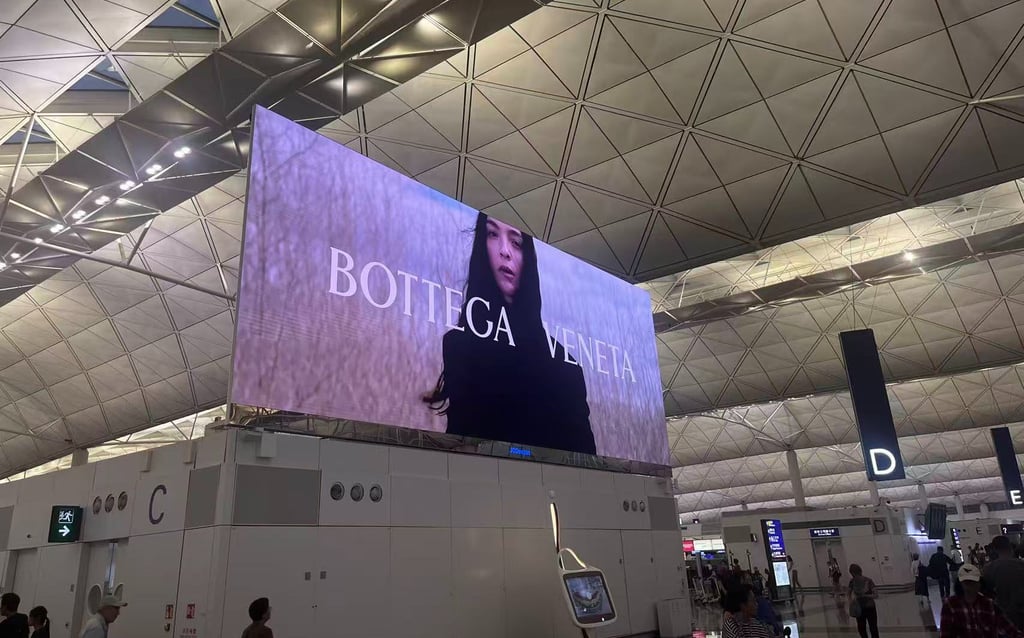
1. Advertising and Publicity
Overview: Advertising is one of the most prevalent applications of LED displays, commonly deployed in high-footfall locations such as shopping malls, railway stations, and airports.
Product Selection: For indoor environments, conventional small-pitch LED displays are preferred—typically P2.5 being the mainstream choice. Outdoor installations generally require larger screens, with P5, P6, and P8 as common pixel pitches. Innovative solutions like transparent and flexible LED displays are also gaining traction.
Functional Analysis: By dynamically presenting images, text, or video content, LED displays effectively capture audience attention and enhance brand visibility and product promotion. Transparent LED screens are particularly well-suited for glass curtain walls, enabling seamless integration of advertising content with visual transparency.
2. Stage Backdrops
Scenario Overview: LED displays are widely used as dynamic backdrops in concerts, parties, weddings, and other live events.
Product Selection: Small-pitch models such as P2.976 and P3.91 dominate this segment due to their cost-effectiveness and suitability for close-range viewing.
Functional Analysis: These displays deliver high-definition, high-contrast visuals that integrate seamlessly with lighting and audio systems to create an immersive and impactful stage atmosphere.
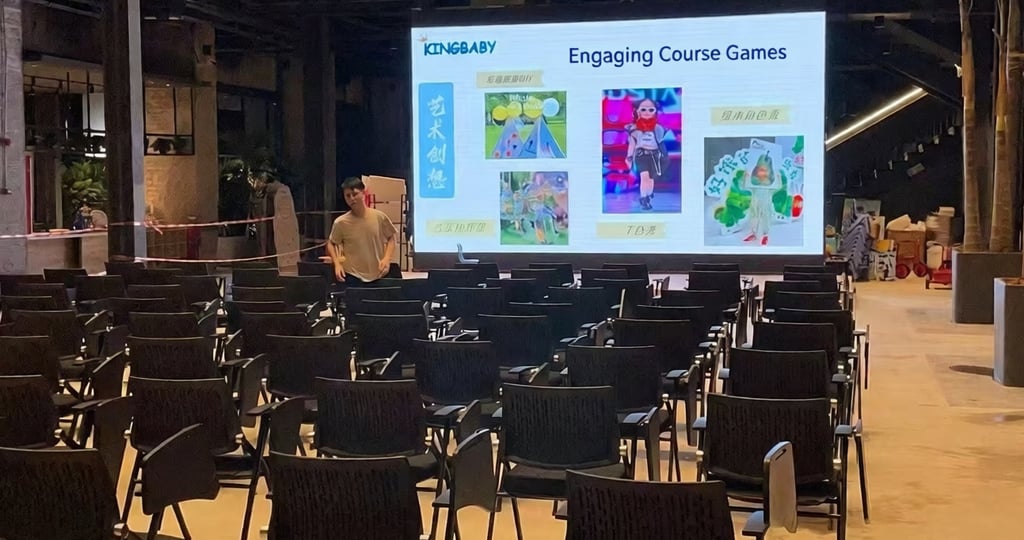
3. Conference Rooms and Lecture Halls
Scenario Overview: Corporate meetings, academic presentations, and lectures frequently take place in conference rooms or auditoriums requiring reliable visual solutions.
Emerging Trend: Traditional projectors are increasingly being replaced by LED displays, especially in medium- to large-sized venues.
Product Selection: Ultra-fine-pitch models like P1.53 and P1.86 are now mainstream, offering superior clarity for near-viewing scenarios.
Functional Analysis: LED displays provide flexible sizing, high brightness, and crisp image quality, enabling clear visibility for multiple viewers simultaneously—thereby improving meeting efficiency and audience engagement.
4. Exhibition and Pavilion Displays
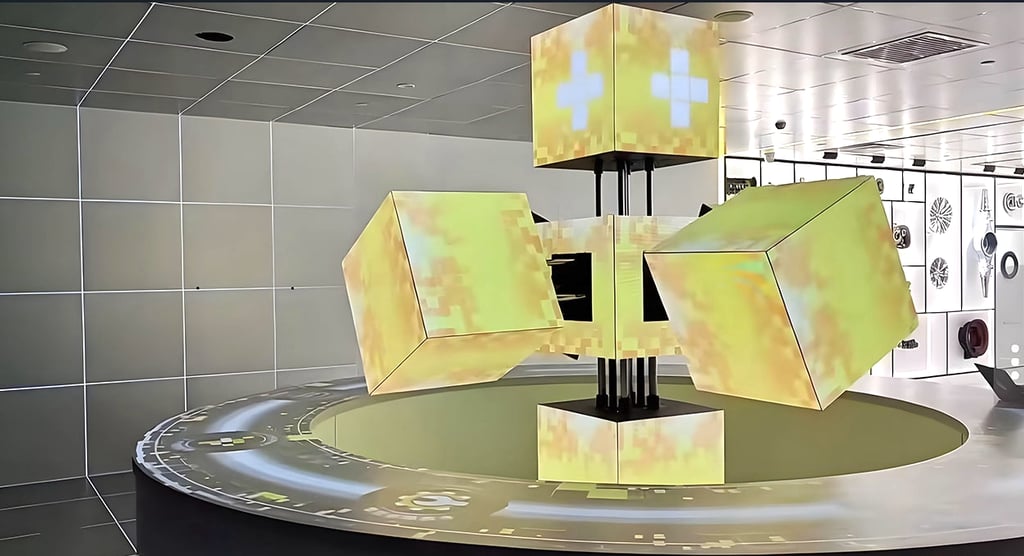
Scenario Overview: Science museums, corporate showrooms, and exhibition halls demand visually striking and engaging display solutions.
Product Selection: Custom-shaped LED displays—including curved, arc, and irregular configurations—can be tailored to fit unique spatial requirements.
Functional Analysis: Through dynamic content and interactive features, these displays significantly enhance visitor immersion and participation, elevating the overall exhibition experience.
5. Command, Control, and Data Visualization Centers
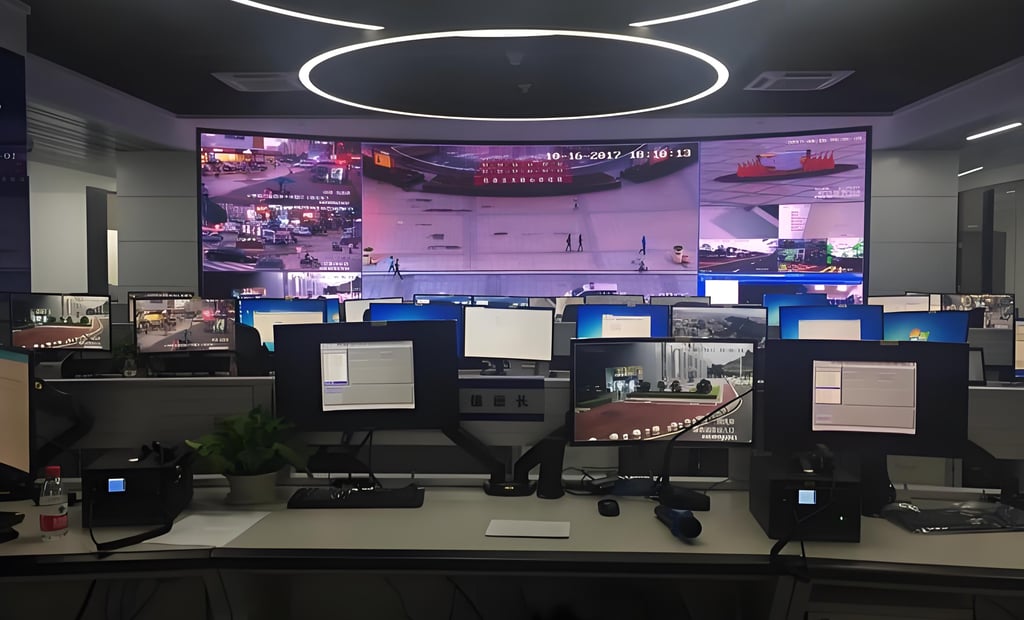
Scenario Overview: Production command centers, urban emergency response hubs, and data operation centers require real-time situational awareness.
Product Selection: Ultra-fine-pitch LED displays (P1.86 and below) are standard, with P1.25 being a popular choice to ensure sharp image resolution and accurate color reproduction.
Functional Analysis: These systems support real-time visualization of live feeds, operational data, and analytics. Features such as multi-window display, screen splitting, and remote monitoring enhance the precision and responsiveness of command and dispatch operations.
Conclusion
In summary, LED displays have demonstrated significant advantages across five key application domains: advertising, stage production, conference presentation, exhibition design, and command & control centers. Their versatility, technical excellence, and adaptability have earned widespread market acceptance—making them a cornerstone of modern visual communication, both from a technological and practical standpoint.
Select your LED display using the details below.
CONTACT US
WHATSAPP:0086-19875446302
joey@ledsigns.us
© 2024. All rights reserved.




US Office: West 90th Place Bridgeview, IL 60455,USA
CONNECT
Technology Support: Hunter@dhxsigns.us